Playing as a Drow in Baldur’s Gate 3 Is an Absolute Delight
Rolling a drow in Baldur’s Gate 3 transforms the game: goblins bow, Minthara welcomes you, and the Underdark becomes home.
I’ve sunk more hours into Baldur’s Gate 3 than I care to admit, and after countless playthroughs, one truth stands out like a nat 20 Persuasion check: rolling a drow is, hands down, the most exhilarating choice you can make at the character creator. I remember my first drow run—honestly, I was a bit nervous. Would every NPC spit at me on sight? Would it lock me into a grimdark spiral of backstabbing and spider worship? What actually happened was pure chaotic joy, and it changed how I see the whole first act.
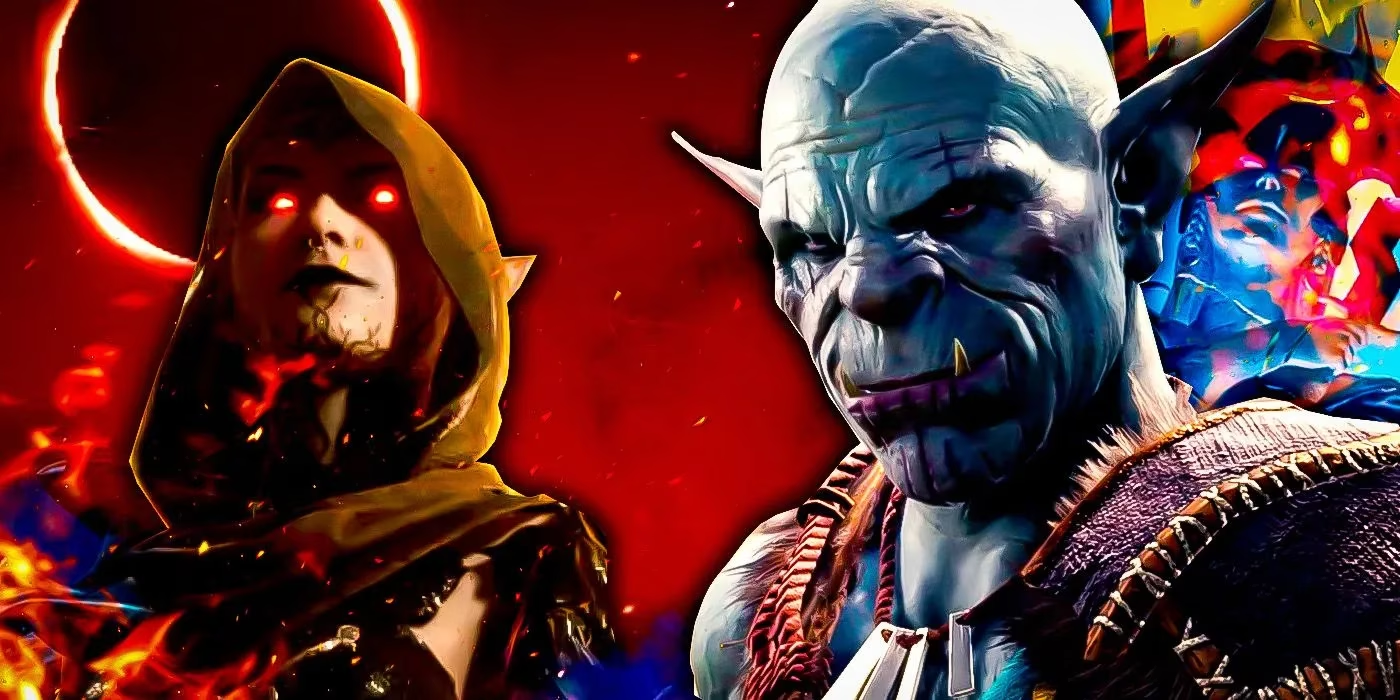
You know what floored me? The goblins. Picture this: you waltz into the Blighted Village or the goblin camp, expecting to sweet‑talk your way past snarling, suspicious guards, and instead… they simply bow. As a drow, you walk with an invisible crown. Because in the brutal hierarchy of the Underdark, goblins, hobgoblins, and bugbears are essentially house servants to drow society—especially female drow. The matriarchal structure means even a male drow gets a grudging nod, but a female drow? They treat you like returning royalty. I didn’t have to roll a single Intimidation or Persuasion check to saunter right into the Shattered Sanctum and have a chat with Minthara. It felt like the game handed me a VIP pass and whispered, “Go on, cause some mischief.”
And that convenience isn’t just a time‑saver—it’s a roleplaying goldmine. If you’re running an evil playthrough, the drow is practically made for it. Minthara greets a female drow like a long‑lost sister, and rallying the Absolutists to raid the druid grove becomes laughably easy. But here’s the secret: you don’t have to be evil. The reputation drow carry is fearsome, sure, but the game lets you subvert it brilliantly. Most surface NPCs react with wariness, not instant hostility, and a few well‑chosen words can flip their perception. You get to enjoy the goblin red carpet while still playing a Seldarine drow who hums Eilistraee’s songs and helps every lost tiefling child. The flexibility is absurdly fun.
The real magic, though, happened when I descended into the Underdark. It’s one thing to read about drow culture in a forgotten tome—it’s another to hear your character’s dialogue tag switch from “Baldurian” to “Underdark.” Home. Suddenly, every mushroom‑dotted cavern and every duergar slaver conversation felt personal. The Phalar Aluve sword, for instance, gleams with inscriptions dedicated to Eilistraee. As a cleric of the Dark Maiden, I could read those holy words and draw the blade with reverence; my friend playing a Lolthsworn cleric got a seething narration warning of the Spider Queen’s displeasure. That’s not just flavor—that’s the world breathing around your character’s identity. West of the Selûnite outpost, I stumbled on Dhourn, a haughty male drow wizard who tried to boss me around. A female noble drow can crush his ego so utterly that the game awards an inspiration point for upholding the matriarchy. Moments like that made me feel like the drow have more bespoke dialogue than some companion characters.
Let’s talk lore, because it’s the undercurrent that makes all of this so juicy. The drow pantheon in the game revolves around two goddesses: Lolth and Eilistraee. Lolth, the Spider Queen, is a connoisseur of cruelty, bloodshed, and arachnid aesthetics—her worshippers, the Lolthsworn, usually have red eyes and a chip on their shoulder the size of Menzoberranzan. Eilistraee, her daughter, stands for moonlight, freedom, and the beauty of song. She’s fiercely good-aligned, and her Seldarine drow often bear pale blue eyes, though you can customize this to your heart’s content. The game even locks deity choices for clerics accordingly: Lolthsworn can only serve Lolth, while Seldarine clerics can pick any god except the Spider Queen. This tension isn’t just a side note—it ripples through countless interactions, especially if you’re playing a paladin of Eilistraee struggling to redeem a surface world that fears your face.
Even in 2026, when I watch new players dive into Baldur’s Gate 3, I always nudge them toward the drow. The sheer volume of unique dialogue nearly rivals the githyanki, who are woven deep into the main plot. But where githyanki interactions feel high‑stakes and often combative, drow dialogue is a playful dance between fear, respect, and surprise. Whether you’re strolling past a goblin checkpoint with a smirk, reading cursed runes in the Underdark, or shocking a random tiefling by offering kindness instead of poison, the drow give you tools to sculpt a story that feels genuinely yours. Don’t be put off by the violent reputation. Lean into it, subvert it, or embrace the spider‑kissed chaos—the drow are waiting, and honestly? They’re just more fun.