Human Heartbeats in Digital Worlds: Why AI Can't Capture Gaming's Soul
Discover how human artistry and emotional depth in gaming are threatened by AI, emphasizing the irreplaceable magic of genuine human collaboration.
I remember the first time Astarion’s voice slithered into my headphones—a vampire spawn dripping with sarcasm and vulnerability, brought to life by Neil Newbon’s throaty laugh that echoed in my bones long after I quit the game. That’s the magic you can’t bottle: human artistry sparking digital lightning. Now, in 2025, as generative AI promises to "revolutionize" game development, voices like Neil’s rise like torches in the fog. He calls it like he sees it: "AI sucks." And honestly? He’s dead right. When pixels lack pulse, we all lose something sacred.
The Unforgettable Stumble
Neil’s words hit me like a critical hit during that Radio Times interview: "Developers don’t want to use AI because it’s s***." 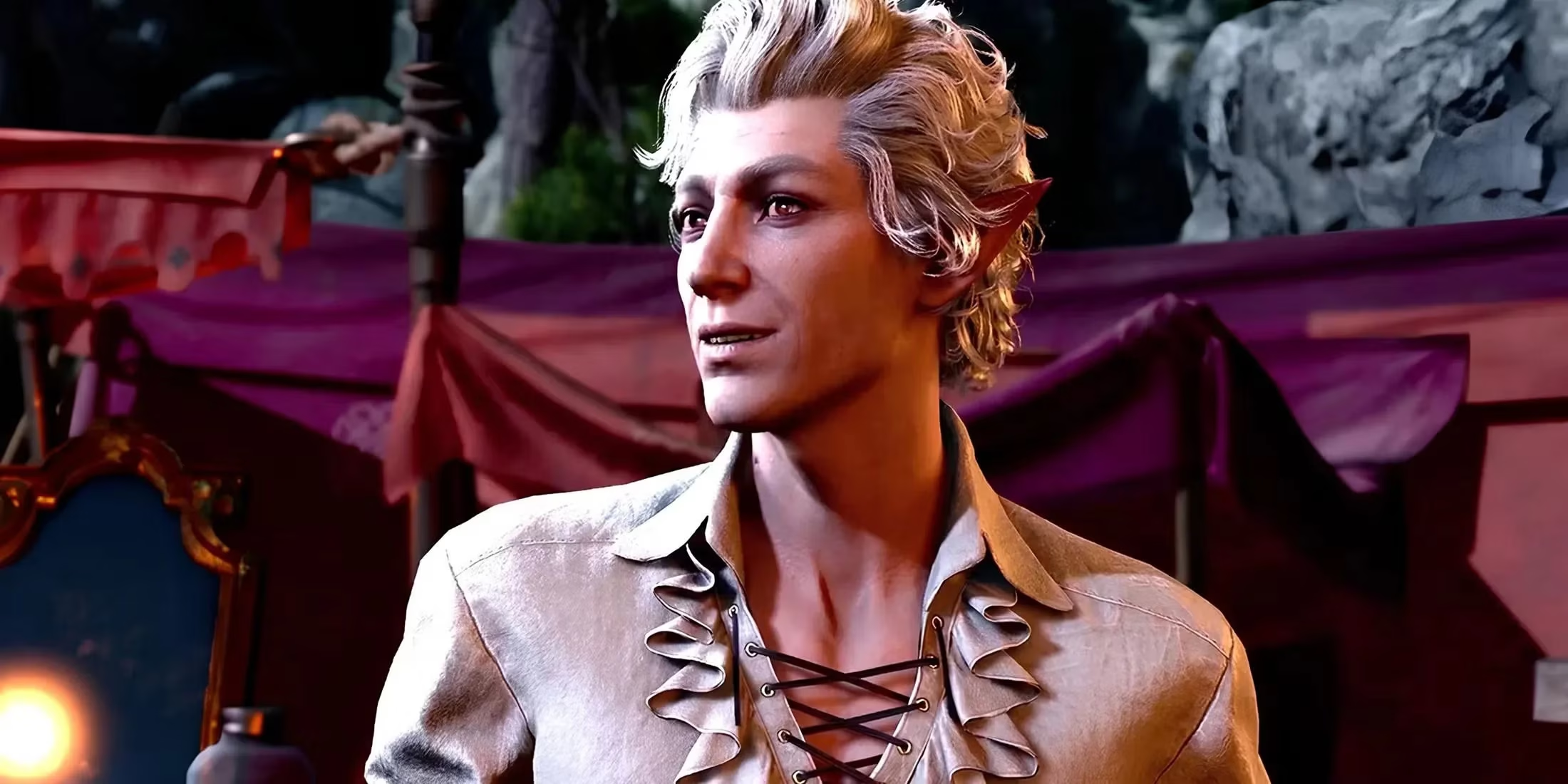 That raw honesty—no corporate filter, just pure creative fury. He mourns the "happy accident possibility" when humans collide in collaboration. Like jazz musicians riffing off each other’s energy, those messy, glorious moments where a scripted line twists into something transcendent. Can algorithms replicate Samantha Béart’s Karlach roaring through tears? Nope. Synthetics can’t sweat.
Joy: The Missing Ingredient
Here’s the kicker—Neil asks, "Where’s the joy in it?" That question haunts me. Gaming’s soul lives in:
-
🎭 Human friction: Voice actors pouring 3AM exhaustion into a take
-
✨ Imperfect epiphanies: A programmer’s bug becoming a beloved feature
-
💔 Vulnerability: Motion-capture actors bleeding real tears into digital eyes
AI-generated assets? They’re like store-bought cake—technically edible, but missing grandma’s lopsided love. Even Call of Duty’s 2025 AI experiments feel... hollow. Like biting into wax fruit.
The Ghosts in the Machine
Layoffs haunt this industry like specters. With 15,000 jobs vaporized last year alone, AI feels less like innovation and more like a corporate blade. Neil and Samantha aren’t just protecting paychecks; they’re guarding alchemy. That spark when:
| Human Element | AI Imitation |
|---|---|
| Improvised line reading | Scripted algorithm |
| Emotional resonance | Uncanny valley |
| Collaborative magic | Isolated code |
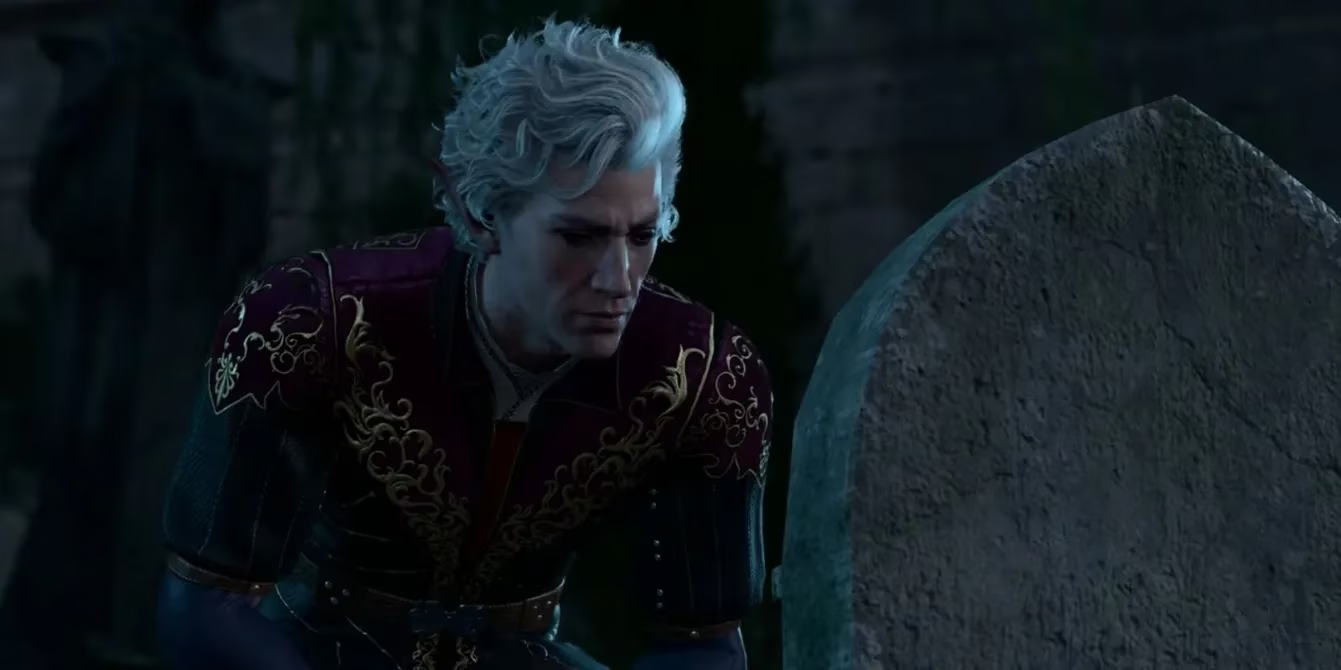
Walking through Baldur’s Gate 3’s graveyard scenes, I felt Astarion’s grief vibrate through my controller. Synthetic voices? They’d make it feel like touring a museum with a robot docent—all facts, no ghosts.
Why This Fight Matters
We’re not just talking about games. We’re choosing between:
-
A future where art breathes
-
Or one where it’s taxidermied
Neil’s battle cry—"Why not make it with people?"—isn’t nostalgia. It’s oxygen. When studios prioritize speed over soul, we get beautiful coffins. Games should terrify, comfort, and surprise us... not politely calculate our dopamine hits.
FAQ: Your Burning Questions
Q: Can’t AI just handle boring tasks?
A: Sure—but it’s sneaky. Today it "optimizes texture packs," tomorrow it replaces writers. Slippery slope, pal.
Q: But doesn’t AI improve accessibility?
A: Lip service. Real inclusion needs human empathy, not automated captions that botch sarcasm.
Q: What’s so bad about "good enough" AI voices?
A: Ever kissed someone who faked passion? Yeah. Feels empty. Same vibe.
Q: Will artists become obsolete?
A: Honey, Van Gogh’s sunflowers still wreck us. AI makes wallpaper. Humans make heart attacks.
So here we stand—players, devs, dreamers. Clutching our controllers like talismans against the synthetic tide. Neil’s right: joy isn’t programmable. It’s the crack in a voice actor’s whisper when their fictional pain becomes real. That’s worth fighting for—no respawns needed.